
Understanding Metro Vancouver's Unique Climate: What You Need to Know


Introduction to Metro Vancouver's Climate
Metro Vancouver is renowned for its stunning landscapes, diverse communities, and unique climate. Unlike many regions in Canada, Metro Vancouver enjoys a more temperate climate, making it an attractive destination for both residents and visitors alike. Understanding the intricacies of this climate can help you plan activities, choose suitable clothing, and appreciate the environmental dynamics at play.
Temperate Coastal Climate
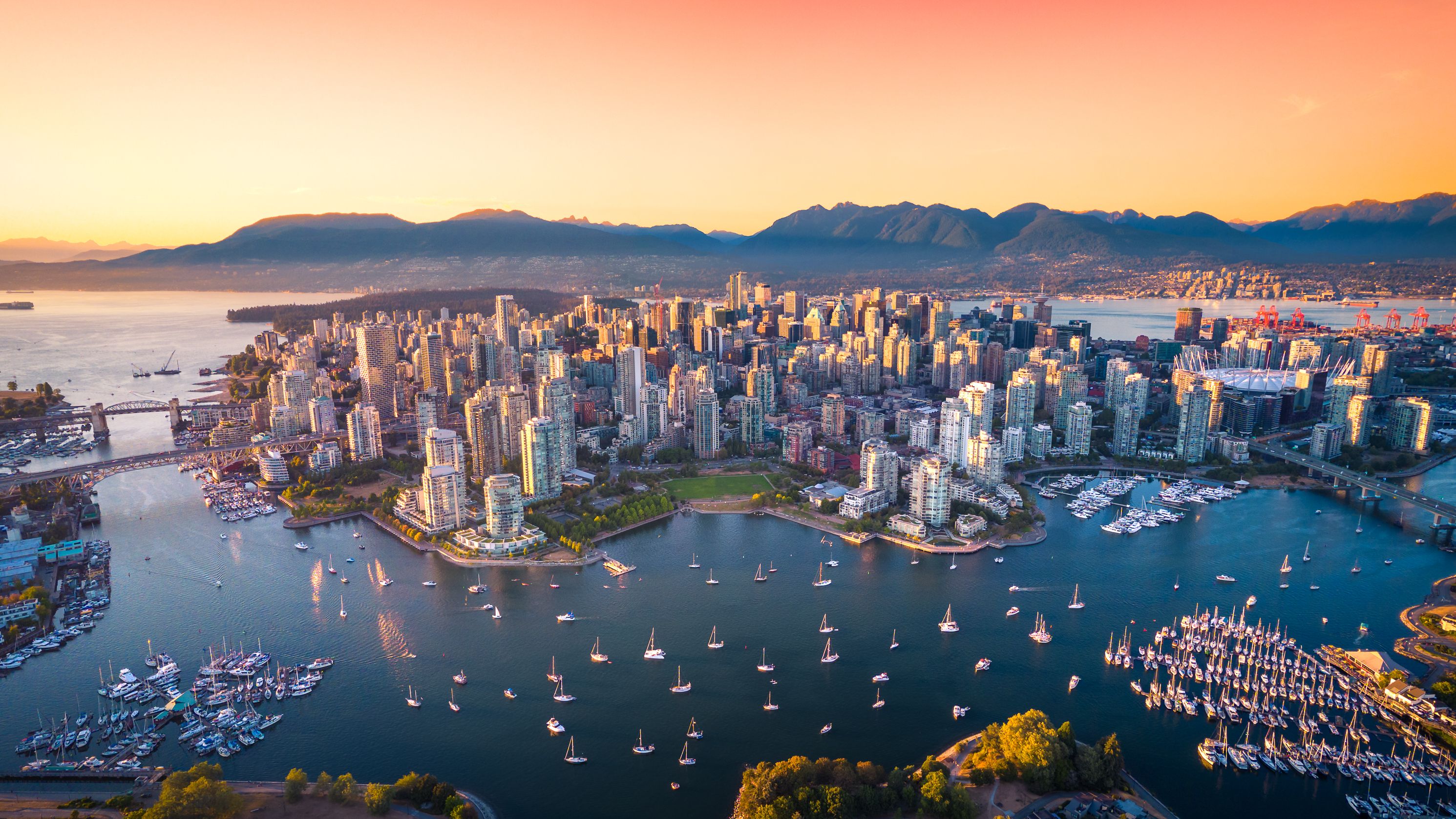
One of the defining features of Metro Vancouver's climate is its temperate coastal characteristics. This region experiences mild, wet winters and warm, dry summers. Thanks to the Pacific Ocean's moderating influence, temperatures rarely reach extremes. This means you can expect temperatures to hover around 3°C to 10°C in winter and 20°C to 25°C in summer.
Precipitation Patterns
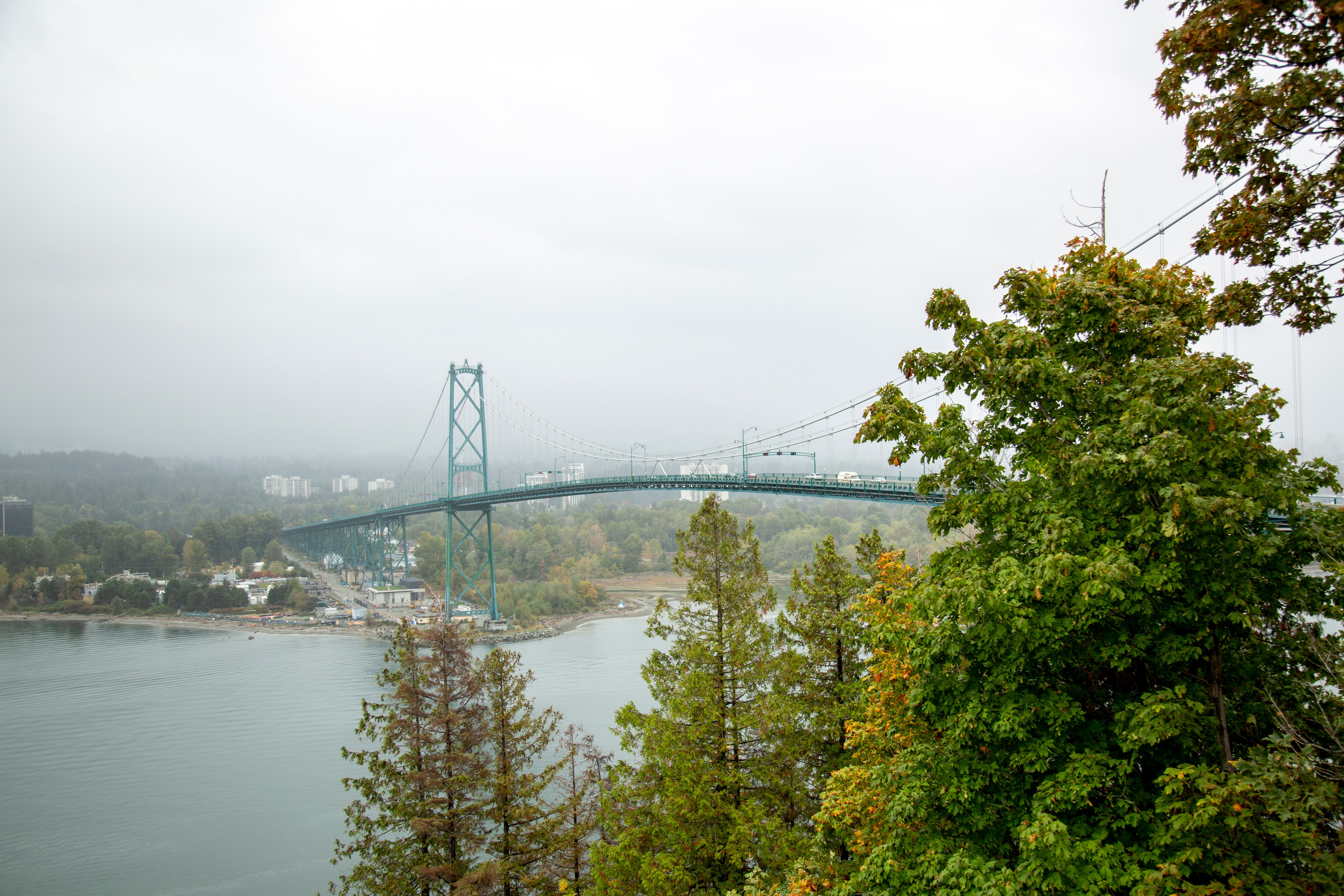
Rain is a frequent companion in Metro Vancouver, particularly during the fall and winter months. The region receives an average of 1,200 mm of precipitation annually, with November being the wettest month. The rain contributes to the lush greenery and vibrant forests, which are a hallmark of the area.
Microclimates in the Region
Metro Vancouver is home to several microclimates, influenced by its varied topography. Coastal areas like Vancouver and Richmond tend to be milder and wetter, while the North Shore Mountains receive more rainfall and occasional snow during winter.
Impact of the Mountains
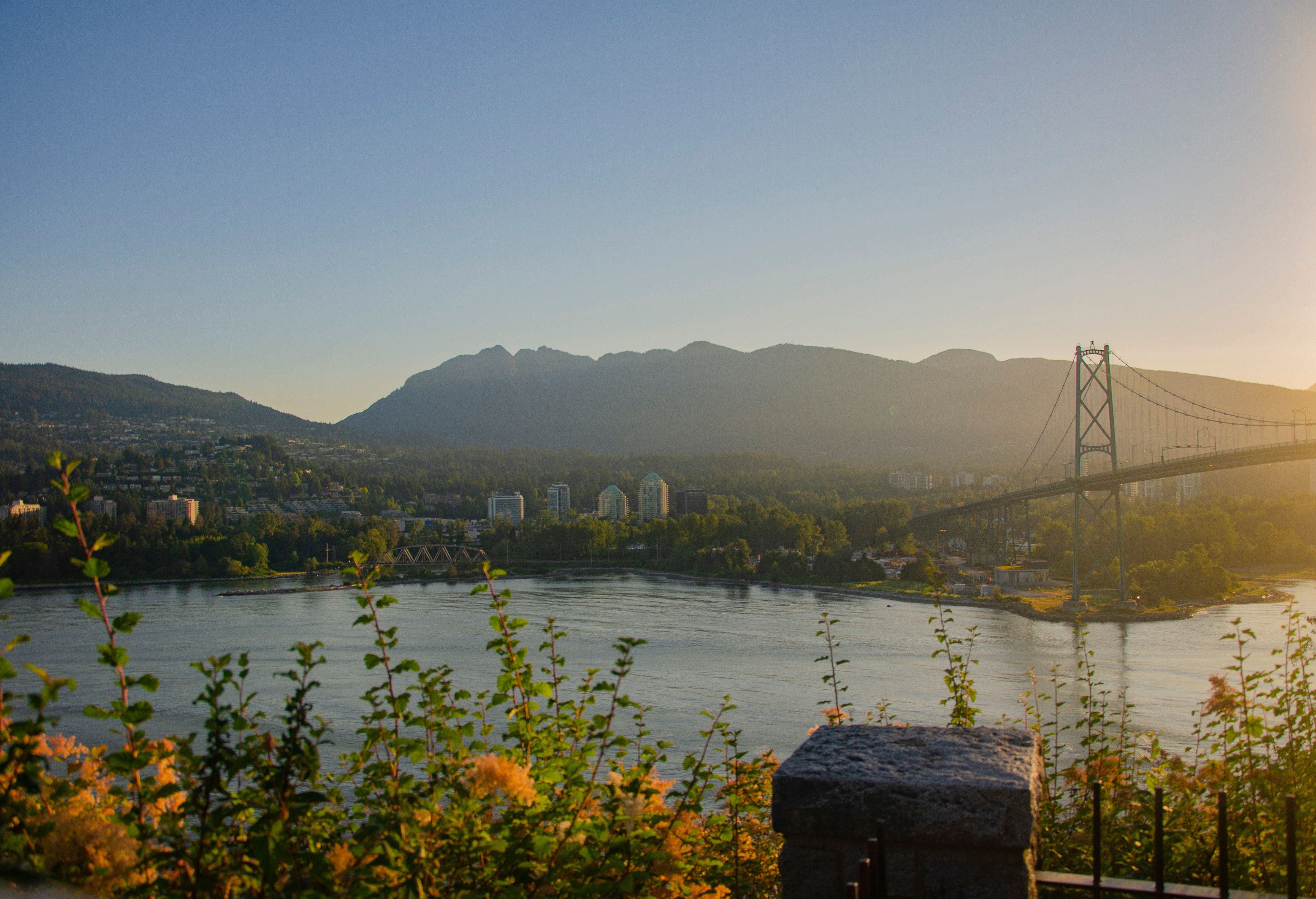
The mountains play a crucial role in shaping the local climate. They act as barriers that trap moisture-laden air, resulting in higher precipitation on the windward side. This phenomenon is known as the orographic effect, and it is why places like North and West Vancouver receive more rainfall compared to areas like Surrey or Langley.
Adapting to the Climate
Living in Metro Vancouver requires some adaptation to its unique climate. Here are a few tips to help you make the most of it:
- Invest in quality rain gear: A good waterproof jacket and boots are essential.
- Layer your clothing: The weather can change quickly, so layering helps you adjust to different temperatures.
- Embrace outdoor activities: The mild climate allows for year-round outdoor pursuits like hiking and cycling.
Environmental Considerations
The climate in Metro Vancouver also influences environmental policies and practices. Efforts to preserve natural spaces and promote sustainability are vital, as they help maintain the delicate balance of the region's ecosystems. Residents and visitors alike are encouraged to participate in conservation initiatives and support local environmental organizations.
Conclusion
Understanding Metro Vancouver's unique climate enhances your appreciation of this beautiful region. Whether you're planning a visit or considering a move, being informed about the weather patterns and environmental dynamics will ensure you enjoy all that Metro Vancouver has to offer. Embrace the rain, cherish the sunshine, and explore the diverse landscapes that make this area truly special.