
Understanding BC’s Unique Environmental Regulations for Homeowners


Introduction to BC’s Environmental Regulations
British Columbia is renowned for its stunning natural landscapes, from majestic mountains to lush forests. To preserve this beauty, the province has implemented unique environmental regulations that homeowners must adhere to. Understanding these regulations is crucial for anyone looking to build, renovate, or even maintain their property in an eco-friendly manner.
These regulations are designed to protect the environment while allowing sustainable development. As a homeowner, being informed about these rules can help you make environmentally responsible choices and avoid potential penalties.

Building and Renovation Guidelines
Permits and Approvals
Before starting any construction or renovation project, obtaining the necessary permits is essential. The process involves ensuring that your plans comply with local zoning laws and environmental standards. Depending on the location and scope of your project, you may need to conduct environmental impact assessments.
Energy Efficiency Standards
British Columbia has specific energy efficiency standards for new buildings and renovations. This includes everything from insulation and heating systems to windows and lighting. Compliance with these standards not only helps reduce your carbon footprint but can also lead to significant savings on energy bills.

Water Conservation Measures
Rainwater Harvesting
With changing climate patterns, water conservation has become a priority. Homeowners are encouraged to implement rainwater harvesting systems to reduce reliance on municipal water supplies. These systems can be used for irrigation, flushing toilets, and even laundry, contributing to more sustainable water use.
Low-Flow Fixtures
Installing low-flow faucets, toilets, and showerheads is another effective way to conserve water. These fixtures are designed to use less water without compromising performance, helping homeowners save water and reduce utility bills.

Waste Management and Recycling
Composting
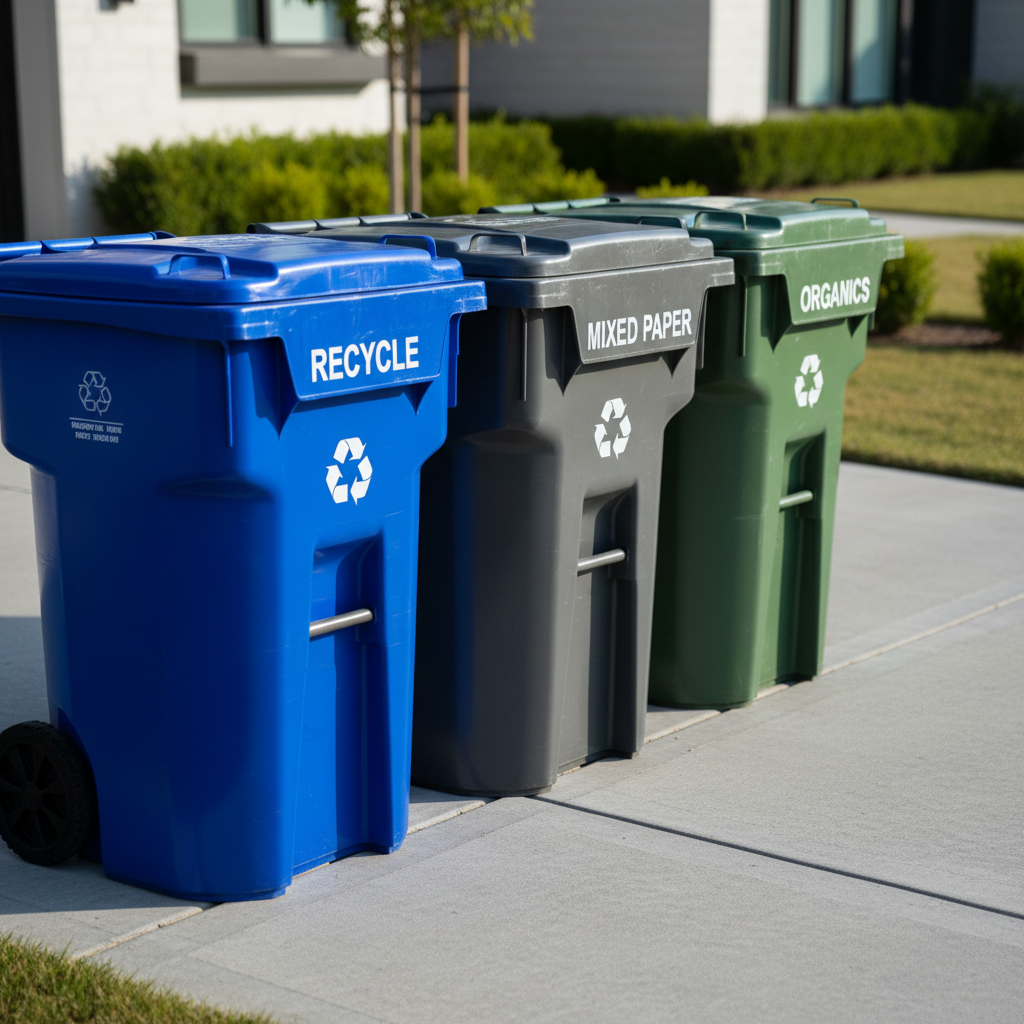
Composting is strongly encouraged in BC as a way to manage organic waste. By composting kitchen scraps and yard waste, homeowners can reduce the amount of waste sent to landfills while creating nutrient-rich soil for their gardens. Many municipalities offer composting programs and resources to help residents get started.
Recycling Programs
BC has robust recycling programs that cover a wide range of materials, from paper and plastics to electronics and hazardous waste. Homeowners should familiarize themselves with their local recycling guidelines to ensure proper waste disposal and contribute to a cleaner environment.
Protecting Local Wildlife
Creating Wildlife-Friendly Spaces
Homeowners can play a role in protecting local wildlife by creating habitats in their gardens. Planting native species, providing water sources, and avoiding the use of harmful pesticides can make gardens more inviting to birds, butterflies, and other wildlife.
Understanding Wildlife Regulations
It's important to be aware of regulations regarding wildlife interactions. This includes rules about feeding wildlife or altering natural habitats, which can have unintended negative impacts on local ecosystems.
By understanding and adhering to BC’s unique environmental regulations, homeowners can ensure they are contributing to the preservation of the province's natural beauty for future generations. Whether you're building a new home or simply maintaining your property, every effort counts towards a more sustainable and environmentally friendly future.