
How to Prepare Your Home for Vancouver's Rainy Season


Inspect and Maintain Your Roof
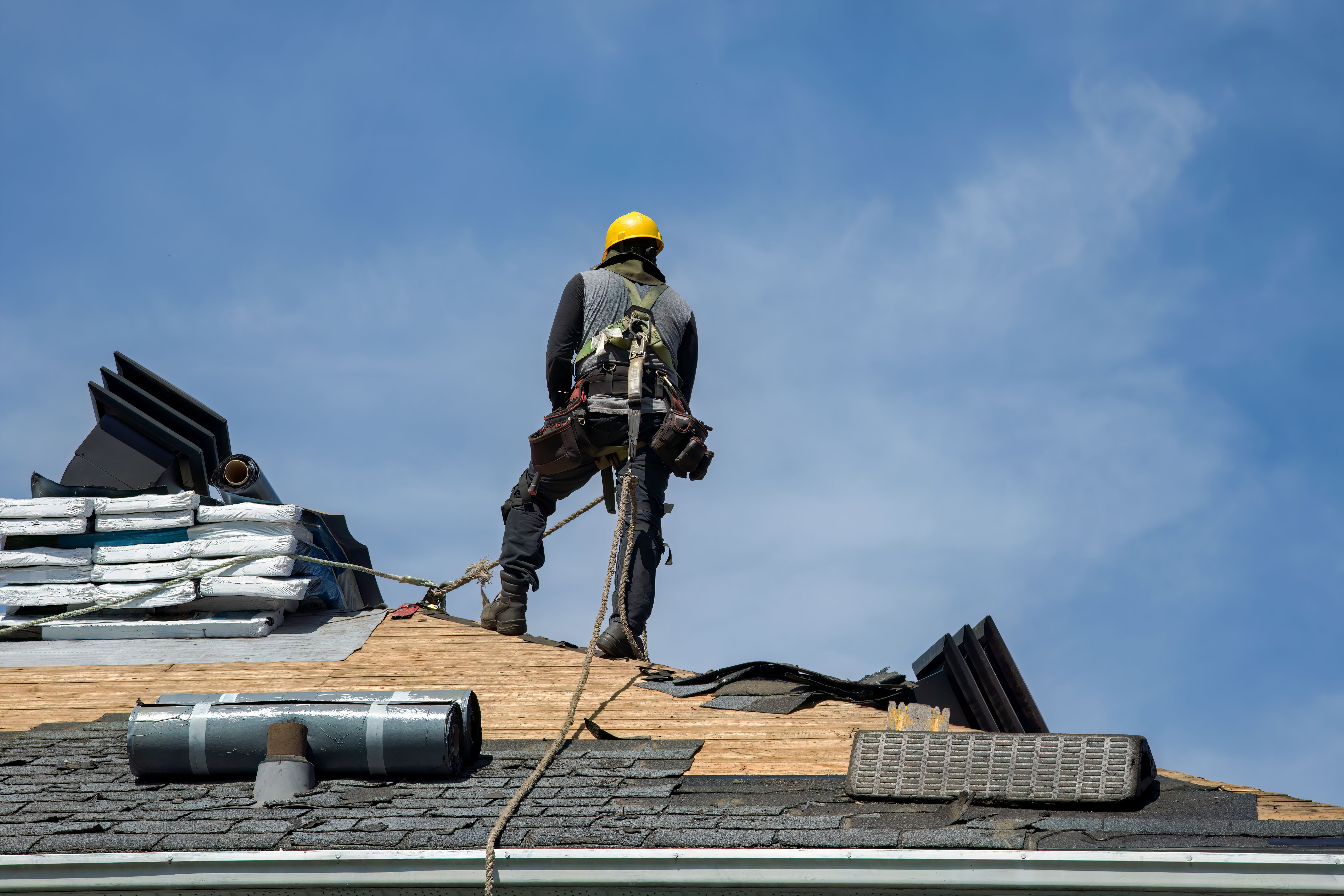
Vancouver's rainy season can be relentless, and a well-maintained roof is your home's first line of defense. Begin by inspecting your roof for any missing or damaged shingles. These should be replaced immediately to prevent leaks. Additionally, ensure that flashing around chimneys and vents is secure.
Regular gutter maintenance is equally crucial. Clogged gutters can lead to water overflow, which may damage your home's foundation. Clean your gutters frequently and consider installing gutter guards to reduce debris buildup.
Seal Windows and Doors
Windows and doors are common points where water can seep into your home. Check the seals and caulking around them, and replace any that are cracked or peeling. Weatherstripping is another effective solution to prevent drafts and moisture from entering.
Install door sweeps to block rain from sneaking under exterior doors. These simple measures can significantly enhance your home's protection against the elements.

Prepare the Exterior
Your home's exterior needs attention as well. Trim back any tree branches that hang over your roof to prevent them from causing damage during storms. Ensure that your downspouts extend at least five feet away from your home to direct water away from the foundation.
Consider applying a fresh coat of waterproof paint to your home's exterior walls for added protection. This can help prevent water damage and keep your home looking its best.

Check the Basement and Foundation
Basements are particularly susceptible to water intrusion during Vancouver's rainy season. Inspect your basement for any signs of moisture or leaks. If you notice any problems, consider installing a sump pump to manage excess water.
Examine your home's foundation for cracks and seal them with a high-quality sealant. This prevents water from seeping in and causing potential structural problems.
Enhance Indoor Humidity Control
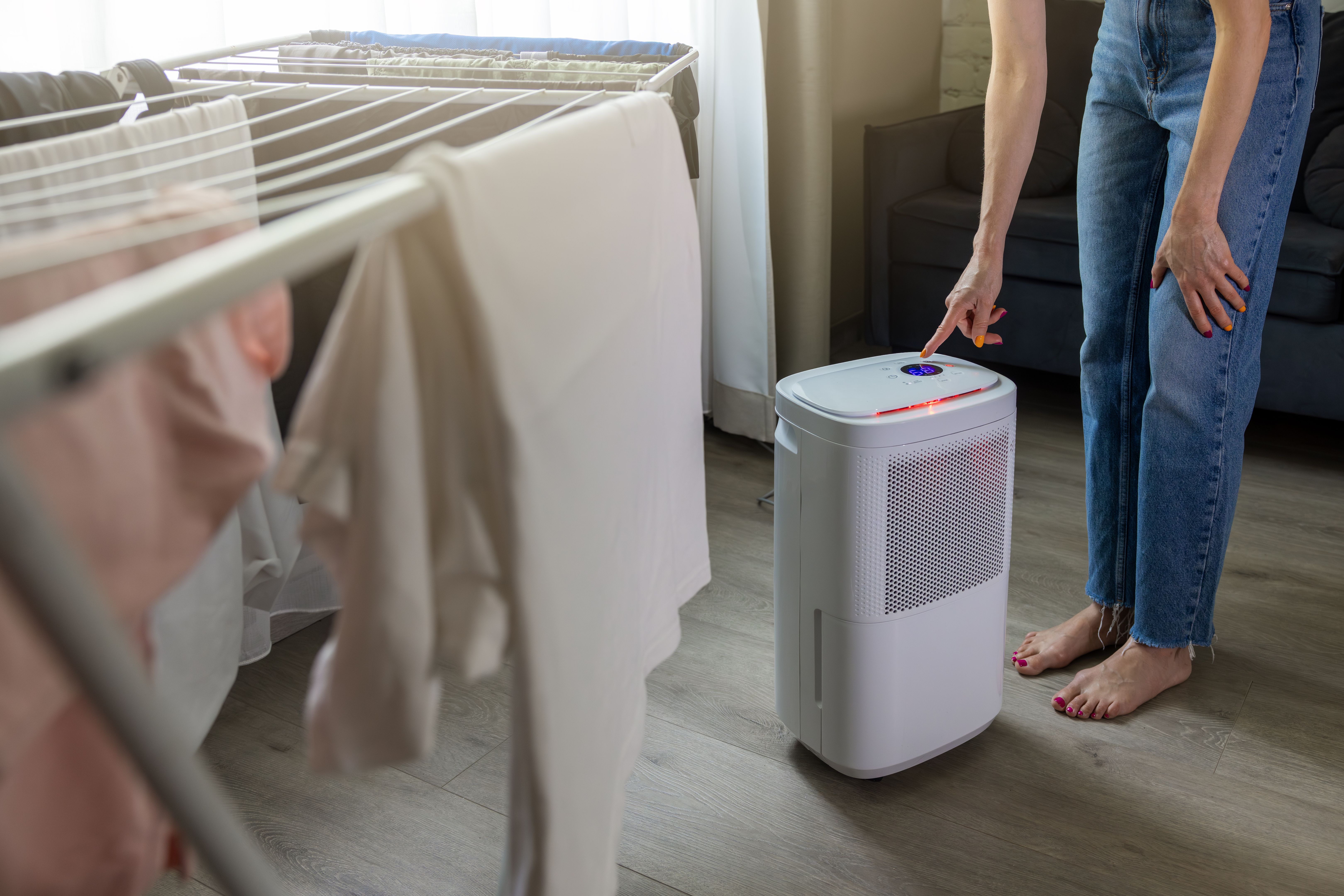
Excessive indoor humidity can lead to mold growth and other issues. Use dehumidifiers to maintain optimal humidity levels, especially in areas prone to dampness like basements and bathrooms.
Additionally, ensure your home is well-ventilated. Use exhaust fans in kitchens and bathrooms to reduce moisture buildup. Keeping your home dry is key to preventing costly repairs down the line.
Invest in Quality Insulation
Insulation plays a vital role in keeping your home comfortable and energy-efficient. Check your attic and walls for adequate insulation. Quality insulation helps maintain indoor temperatures and reduces the strain on your heating system.
Consider upgrading to moisture-resistant insulation materials for added protection during the rainy season. Proper insulation is an investment that pays off in both comfort and savings.